Identifying Problems Before They Escalate
Inspection, Repair, and Maintenance in City unavailable for commercial properties, government facilities, and institutional buildings with aging or storm-damaged roofing systems
A roof leak in a warehouse or government building is rarely visible from the ground before water reaches the ceiling, and damage from hail, wind, or long-term exposure often progresses beneath the surface before facility managers notice interior staining or equipment malfunction. The Art of Dwelling- provides roof inspection, repair, and maintenance services for federal properties, municipal buildings, commercial facilities, steel structures, and institutional sites where early problem detection prevents costly emergency work and operational interruption. Inspections reveal flashing separation, membrane punctures, drainage blockages, and fastener back-out that lead to leaks if left unaddressed.
Roof inspections document current conditions, identify storm damage or wear patterns, and provide clear recommendations for repair, coating, reroofing, or replacement based on the severity and extent of deterioration. Inspections after severe weather events help property owners file insurance claims with accurate damage documentation, while routine inspections support preventative maintenance planning that extends roof life and reduces unexpected repair costs.
Arrange an on-site inspection to assess your facility's roofing system condition and receive documented findings.
How Roof Repairs Address Specific Failures
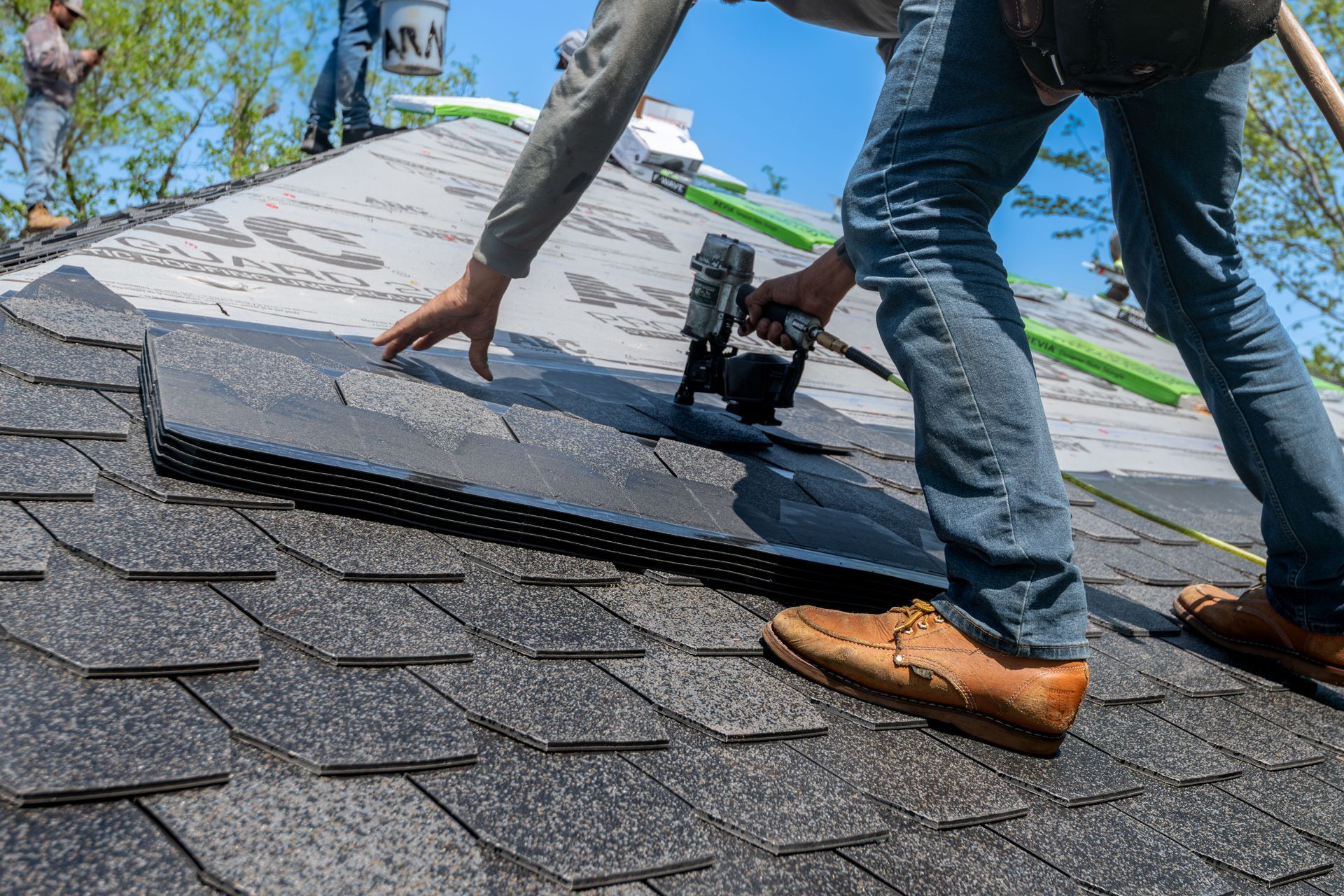
Roof repairs on commercial and government buildings address specific failure points such as torn membrane sections, separated flashing at roof penetrations, damaged metal panels, and compromised seams that allow water infiltration during rain events. Wind damage often lifts roof edges or displaces fasteners, while hail impacts puncture membrane surfaces or dent metal roofing, creating vulnerabilities that worsen with each weather cycle. Repairs involve removing damaged materials, preparing substrates, and installing replacement sections that integrate with the existing roofing system without creating new leak paths or thermal breaks.
After repairs are completed, you no longer see water stains spreading across ceiling tiles, detect musty odors from saturated insulation, or place buckets under active drip points during storms. The building interior remains dry, HVAC systems operate without moisture interference, and stored materials or equipment stay protected from overhead water intrusion. Repairs restore the roof's function as a weatherproof barrier, allowing facility managers to focus on operations rather than emergency leak response.
Maintenance programs extend the interval between major roof investments by catching small issues during scheduled inspections, clearing drainage pathways, resealing vulnerable transitions, and documenting roof conditions over time. These programs help government agencies and commercial property owners budget for future roofing needs based on actual system performance rather than reacting to sudden failures that demand immediate funding allocation.
Answers to Frequent Service Questions
Facility managers and property owners often ask these questions when planning roof inspection, repair, or maintenance services for commercial and institutional buildings.
What does a commercial roof inspection include?
Inspections examine membrane condition, flashing integrity, fastener performance, drainage function, and penetration seals, with written reports documenting findings and recommending repair, maintenance, or replacement actions based on observed conditions.
How quickly can storm damage be repaired?
Emergency repairs to stop active leaks can often be scheduled within days of contact, depending on weather conditions and material availability, while comprehensive repairs may require coordination with facility operations and insurance processes.
What types of roof repairs are most common on government facilities?
Flashing repairs around rooftop equipment, membrane patching in high-traffic areas, seam resealing on low-slope roofs, and metal panel replacement after wind or hail events are frequently needed as buildings age and weather exposure accumulates.
How often should commercial roofs receive maintenance inspections?
Most commercial and institutional properties benefit from inspections twice annually, typically in spring and fall, to identify winter damage, clear debris from drainage systems, and prepare the roof for seasonal weather changes.
What happens if inspection reveals widespread damage?
The inspection report provides a detailed assessment that helps property owners decide whether targeted repairs, roof coatings, reroofing, or full replacement offers the best value based on damage extent, remaining roof life, and budget considerations.
The Art of Dwelling- coordinates inspection schedules, repair timelines, and maintenance programs with the operational needs of federal agencies, municipal properties, and commercial building owners. Contact our team to discuss roof inspection and repair services for your facility.